Tirzepatide Injection for Weight Loss: Does It Really Work?
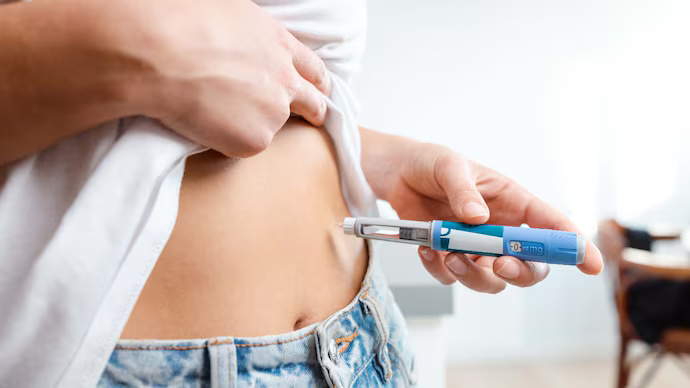
Weight loss has always been one of the most challenging health goals for millions of people around the world. From strict diets and intense workout programs to supplements and medications, the journey can feel overwhelming. In recent years, however, a new class of medications has been transforming how people approach weight management—GLP-1 receptor agonists and dual GIP/GLP-1 receptor agonists. Among them, Tirzepatide injection has gained massive attention for its promising weight loss results.
But the big question remains: Does Tirzepatide injection really work for weight loss? And how does it compare with popular alternatives like Ozempic 1 mg or Mounjaro? Let’s dive deep and find out.
What Is Tirzepatide Injection?
Tirzepatide is a once-weekly injectable medication originally developed for Type 2 diabetes management. It belongs to a new class of drugs that target two important hormones—GLP-1 (glucagon-like peptide-1) and GIP (glucose-dependent insulinotropic polypeptide).
This dual action makes Tirzepatide different from other medications like Ozempic 1 mg, which only target the GLP-1 pathway. By working on both GIP and GLP-1 receptors, Tirzepatide can help:
- Improve insulin sensitivity
- Lower blood sugar levels
- Reduce appetite
- Slow down digestion (helping you feel fuller for longer)
- Support sustainable weight loss
Because of these effects, Tirzepatide injections are being increasingly prescribed not just for diabetes, but also for weight loss in people without diabetes.
How Tirzepatide Injection Promotes Weight Loss
Weight loss with Tirzepatide happens due to several overlapping mechanisms:
- Appetite Control – Tirzepatide reduces hunger signals in the brain, making it easier to eat less without constantly fighting cravings.
- Fuller for Longer – By slowing gastric emptying, it helps food stay in the stomach longer, reducing overeating.
- Better Blood Sugar Regulation – Balanced glucose levels reduce sudden cravings and sugar crashes.
- Fat Burning Support – Improved insulin sensitivity allows the body to burn fat more efficiently.
In clinical trials, people using Tirzepatide injections lost 15–22% of their body weight over 72 weeks, which is significantly higher compared to most other medications available.
Tirzepatide Injection vs Ozempic 1 mg
A common question many people ask is: “How does Tirzepatide compare to Ozempic 1 mg?”
Both medications are powerful tools for diabetes and weight management, but they differ in action and results:
| Feature | Tirzepatide Injection | Ozempic 1 mg |
|---|---|---|
| Mechanism | Dual GIP & GLP-1 receptor agonist | GLP-1 receptor agonist only |
| Weight Loss (avg.) | 15–22% body weight | 10–15% body weight |
| Blood Sugar Control | Very effective | Effective |
| Side Effects | Nausea, vomiting, diarrhea (similar to Ozempic) | Nausea, constipation, diarrhea |
| FDA Status | Approved for Type 2 diabetes, expected approval for obesity | Approved for Type 2 diabetes, higher doses used for obesity (Wegovy) |
Key takeaway: Tirzepatide injection appears to produce greater weight loss results than Ozempic 1 mg in clinical trials. However, both medications are effective, and the best choice depends on individual needs, availability, and doctor recommendations.
Is Mounjaro Better Than Ozempic?
This is another hot topic among patients: “Is Mounjaro better than Ozempic?”
To clarify, Mounjaro is the brand name for Tirzepatide. So when we compare Mounjaro vs Ozempic, we are essentially comparing Tirzepatide vs Semaglutide.
- Weight Loss: Studies show Mounjaro (Tirzepatide) leads to greater weight loss compared to Ozempic.
- Diabetes Control: Both lower A1C levels, but Tirzepatide may provide slightly better improvements.
- Side Effects: Both cause similar gastrointestinal issues (nausea, diarrhea, constipation).
- Cost & Availability: Ozempic has been available longer, so it may be easier to access in some regions. Mounjaro is newer and might be harder to find in certain countries.
👉 So, yes, Mounjaro is often considered better than Ozempic for weight loss, but both are excellent medications for managing diabetes and obesity.
What to Expect With Tirzepatide Injection for Weight Loss
If you’re considering Tirzepatide injection, here’s what your journey might look like:
- Starting Health Dose – Usually, treatment begins with a low dose (2.5 mg) to minimize side effects, gradually increasing to higher doses.
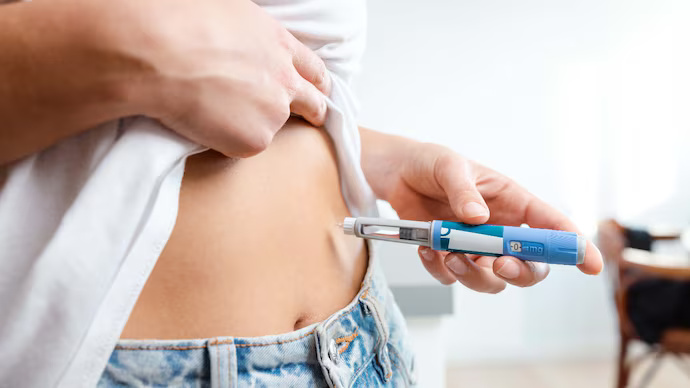
- Weekly Routine – It’s taken once a week, at the same time each week, injected under the skin (thigh, stomach, or upper arm).
- Weight Loss Timeline – Some people see noticeable results in the first 4–6 weeks, but most experience steady weight loss over several months.
- Side Effects – The most common are nausea, constipation, diarrhea, and decreased appetite. These usually lessen with time.
- Lifestyle Support – Diet and exercise are still important. Tirzepatide works best when combined with healthy habits.
Real-World Results: Success Stories
- Case 1: A 42-year-old woman with obesity lost 20% of her body weight in 10 months using Tirzepatide injections, with minimal side effects.
- Case 2: A 50-year-old man with Type 2 diabetes achieved both normal A1C levels and significant fat loss, helping him avoid starting insulin.
- Case 3: Patients who previously used Ozempic 1 mg but switched to Tirzepatide often report greater appetite control and more noticeable fat loss.
These stories highlight how powerful this medication can be when used under medical supervision.
Diet and Lifestyle Tips to Maximize Results
Even though Tirzepatide injection is powerful, pairing it with lifestyle changes will accelerate your success:
- Eat High-Protein Meals – Helps you stay full and maintain muscle.
- Stay Hydrated – Important to reduce nausea and aid digestion.
- Move Regularly – Even light daily walks improve insulin sensitivity.
- Avoid Sugary Snacks – Helps the medication work more effectively.
- Be Consistent – Take your weekly injection at the same time every week.
Possible Side Effects and Safety
Like any medication, Tirzepatide injection has potential risks. The most common include:
- Nausea
- Vomiting
- Diarrhea or constipation
- Reduced appetite
- Injection site reactions
Rare but serious risks include pancreatitis, gallbladder problems, or thyroid tumors. Always discuss your medical history with your doctor before starting.
Who Should Consider Tirzepatide Injection?
Tirzepatide may be suitable if you:
- Struggle with obesity or overweight-related health conditions
- Have Type 2 diabetes and need better blood sugar control
- Have not succeeded with diet and exercise alone
- Are looking for an alternative to Ozempic 1 mg
However, it may not be suitable if you:
- Have a history of medullary thyroid carcinoma
- Have multiple endocrine neoplasia syndrome type 2
- Are pregnant or breastfeeding
- Have severe gastrointestinal conditions
Tirzepatide Injection Cost and Access
The cost of Tirzepatide injections can vary widely depending on insurance coverage, pharmacy, and region. On average, it may cost $900–$1,200 per month without insurance.
Some options to save money include:
- Manufacturer savings cards
- Insurance approval for Type 2 diabetes treatment
- Clinical trials for weight loss
Final Verdict: Does Tirzepatide Injection Really Work for Weight Loss?
The evidence is clear—Tirzepatide injection is one of the most effective medications for weight loss available today.
- Clinical trials show 15–22% body weight loss, outperforming Ozempic 1 mg.
- Patients report better appetite control and sustained results.
- While side effects exist, they are usually manageable.
So, if you’ve been asking, “Is Mounjaro better than Ozempic?” the answer for weight loss is often yes—but both medications remain powerful tools in managing diabetes and obesity.
Always consult your doctor before starting Tirzepatide to ensure it’s the right choice for you.











Post Comment